An ARM CPU is a processor based on a Reduced Instruction Set Computing (RISC) architecture. Developed by Arm Holdings, they are globally known for exceptional energy efficiency and high performance-per-watt. Unlike traditional semiconductor companies (such as Intel or AMD) that design and build their own chips, ARM is fundamentally an intellectual property (IP) company. Their business model includes two sections:
- Licensing: ARM creates the foundational blueprints and architectural designs for processors.
- Manufacturing: ARM licenses these designs to tech giants like Apple, Qualcomm, and Samsung. These third-party companies then build the physical chips.
|
ARM vs. x86
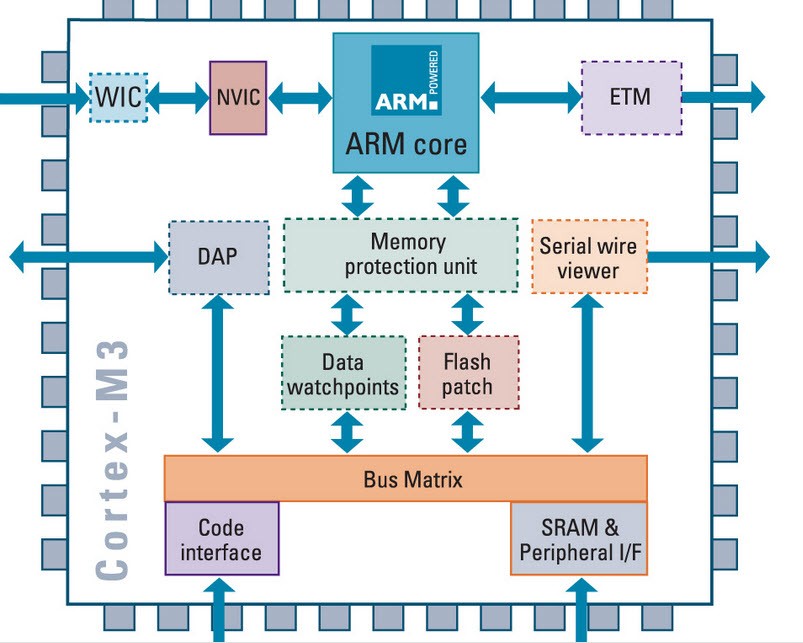
Typical server architectures like the ubiquitous x86 design have a modular approach based on a motherboard with swappable components. The CPU and other components—such as graphics cards and GPUs, memory controllers, storage, or processing cores—are optimized for specific functions and can be easily swapped out or expanded. |
|
However, this ease comes at a price; these hardware components are typically more homogenized system architectures, which can allow hackers to quickly breach and attack systems with “write once, run anywhere” exploits.
|
Successful people are always looking for opportunities to help others. Unsuccessful people are always asking, “What’s in it for me?” ― Brian Tracy |