A link library is a collection of small programs that larger programs can load when needed to complete specific tasks.
- Static links: These are linked earlier in the process and are embedded into the executable. Static libraries are linked to the executable when the program is compiled.
- Dynamic links: They are linked later, either at runtime or at load time. They are called dynamic because they are not embedded in the executable — they just link to it when needed.
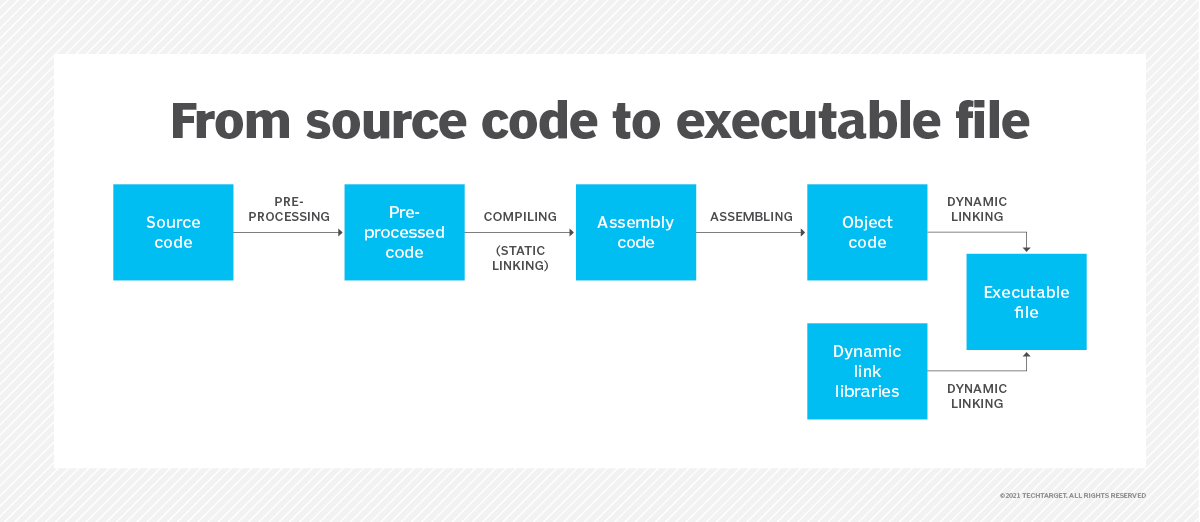
The Kip Irvine link library (such as for x86 assembly) is a static library, which contains several useful routines to input data, output data, and perform several tasks that one would normally have to use many operating system calls to complete. In actuality, the Irvine library is simply an interface to these OS calls (e.g., it invokes either DOS calls or Windows 32 library routines). This library is called (for 32 bit protected mode) and (for 16 bit real mode). During the assembly and linking process, the linker copies the necessary machine code for the library procedures (like or ) directly into your final executable file. This means you do not need to distribute any external files with your program, as everything it needs is bundled inside.
|
“I’m not arguing, I’m just explaining why I’m right.” ― Unknown |